
What is cold heading wire?
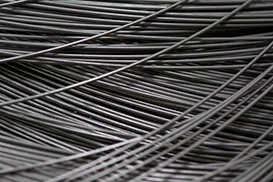
Cold heading wire (Cold Heading Quality Wire, CHQ Wire) is wire prepared for cold forming processes such as cold heading and cold extrusion. The material must maintain stable formability during plastic deformation at room temperature and meet requirements for surface quality, microstructure, dimensions, and batch consistency.
Key quality requirements
- Formability:The material shall possess ductility matched to the degree of deformation and station sequence to reduce the risk of cracking.
- Surface quality:Defects such as cracks, laps, and drawing marks may propagate during cold forming; therefore, they must be controlled in accordance with product requirements.
- Microstructure and hardness:Steel grade, spheroidized microstructure, decarburized layer, and delivery hardness shall be compatible with the component manufacturing process.
- Dimensional consistency:Wire diameter, roundness, and batch-to-batch variations must meet the feeding requirements of equipment and die forming specifications.
Typical Manufacturing Process
Common processes include wire rod inspection, pickling and phosphating, drawing, spheroidizing annealing or other heat treatments, finish drawing, inspection, and packaging. The actual process route should be determined based on steel grade, target dimensions, degree of deformation, delivery condition, and customer agreements.

Applications
In addition to bolts, nuts, and screws, cold heading wire can be used for automotive safety components, precision electronic parts, mechanical fasteners, and other cold-formed components. Material selection should be based on the final part requirements and manufacturing process.